Archive for the ‘Uncategorized’ Category
April 12, 2011 Visit to Colborne Lodge in High Park
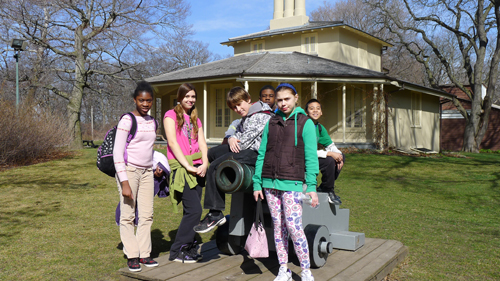
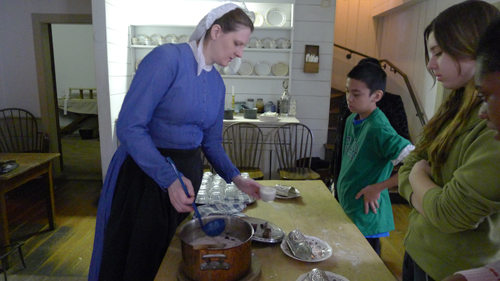
We made hot chocolate.
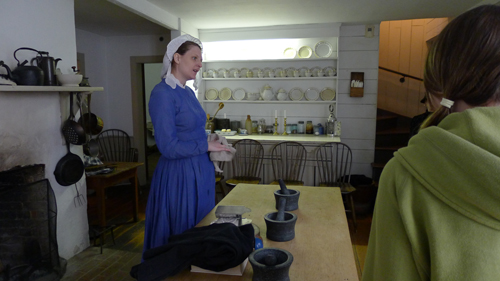
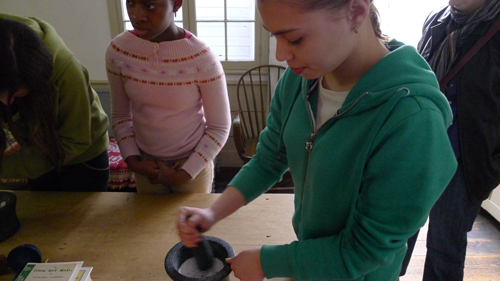
First we pounded loaf sugar to break it into pieces.
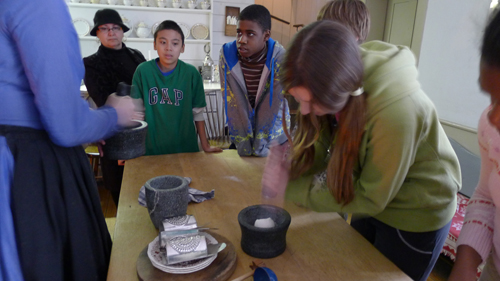
Next the pieces of sugar were ground into powder.
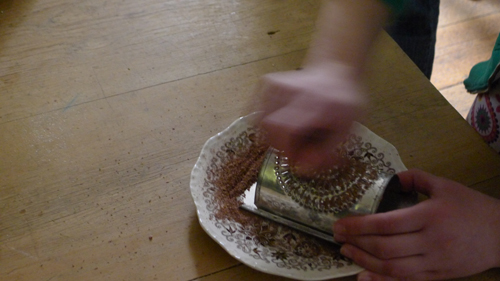
Then we grated blocks of bitter chocolate into a powder.
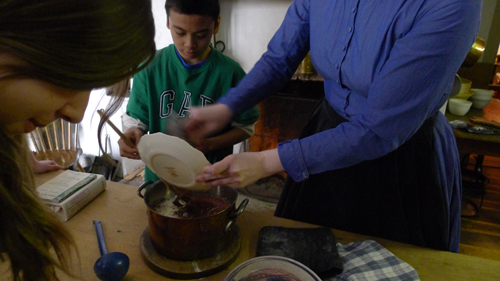
The sugar and chocolate were added to hot milk.
We took turns twirling a wooden spoon between the palms of our hands to mix the sugar and chocolate into the milk. This was called milling.
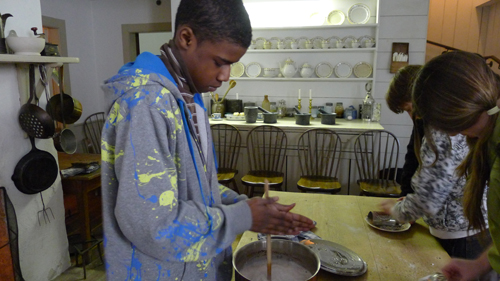
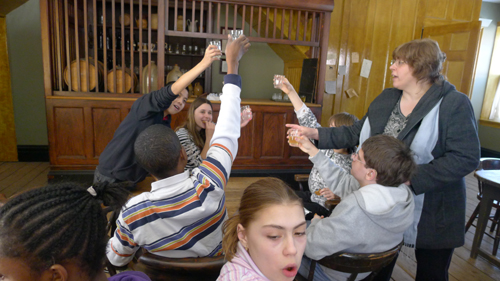
Christina, our tour guide served the hot chocolate to everyone. It tasted great!
Spooky things we learned about Colborne Lodge…
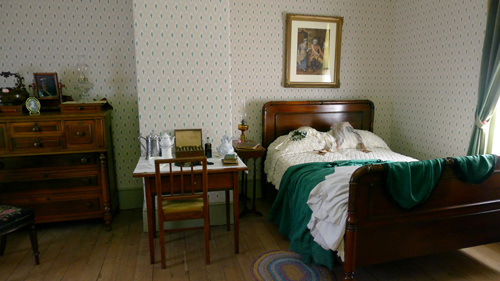
Mrs. Howard’s ghost has been seen in her bedroom at night by many people.
The Ice House Murder happened by Grenadier Pond where the grounds keeper shot and killed a boy for fishing on the pond.
We learned that tea was kept under lock and key to keep it from being stolen. Most food that the Howard family ate was grown or hunted in High Park
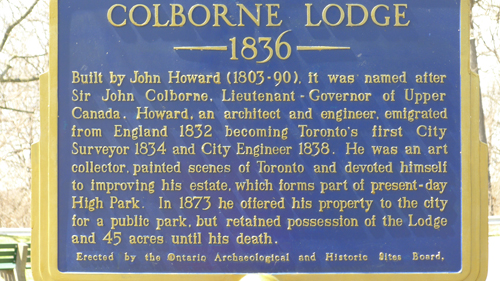
Chocolate was expensive because it was imported like sugar and spices. Colborne Lodge was the Howards’ summer cottage. John Howard bequeathed the house and land of High Park to the city of Toronto.
April 1, 2011 Visit to Black Creek Pioneer Village
We cooked in an 1860’s log cabin built by the Stong family.
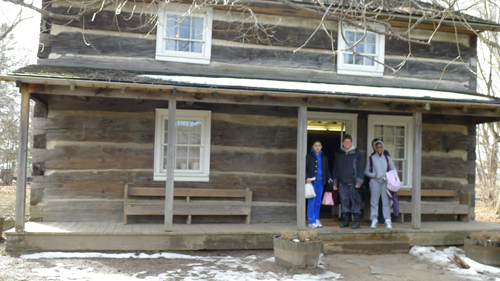
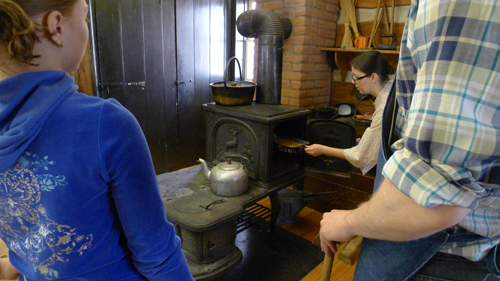
The cabin had a wood burning stove for cooking and heat.
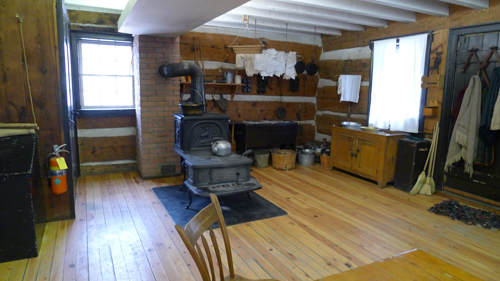
We learned how to make butter in an old butter churn.
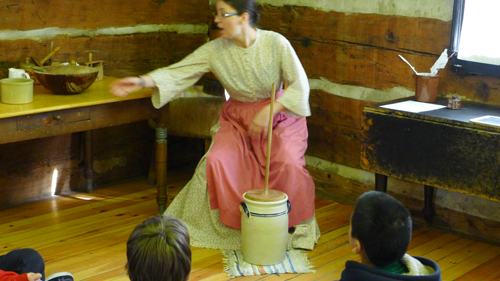
Danielle lifted the lid and dasher.
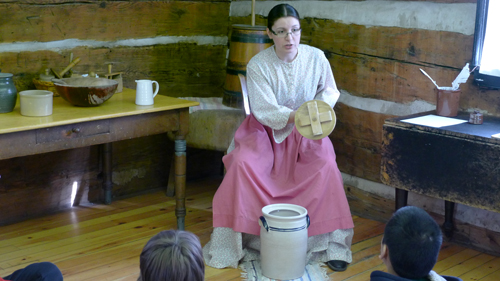
Then she poured the cream into the churn.
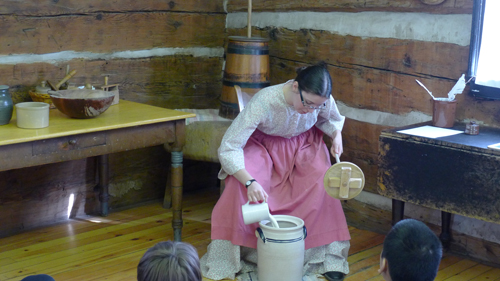
We took turns churning the butter.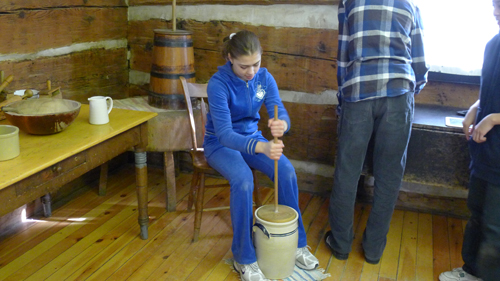
Here is a children’s churning chant:
Come butter come,
Johnny’s waiting at the gate,
Waiting for a butter cake,
Come butter come!
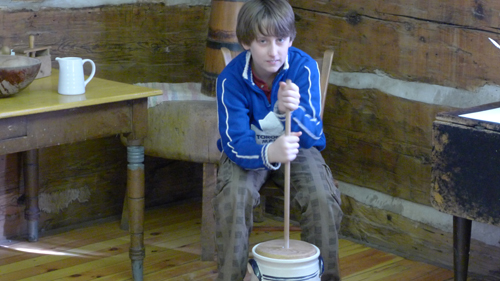
It took a long time for the cream to turn into butter.
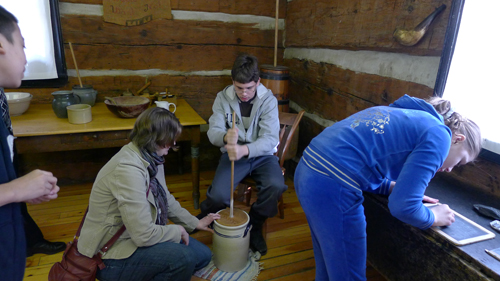
When the cream separated into butter and buttermilk, Danielle scooped the butter into a bowl.
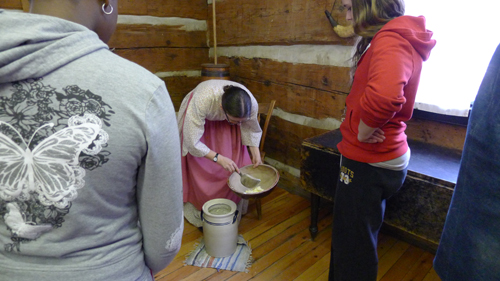
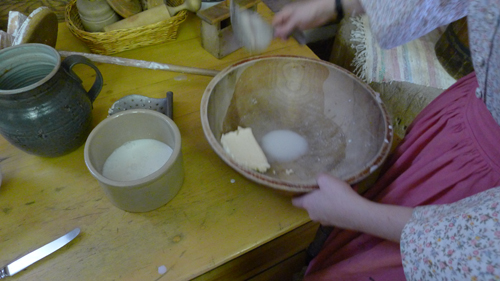
Next she pressed the buttermilk out of the butter.
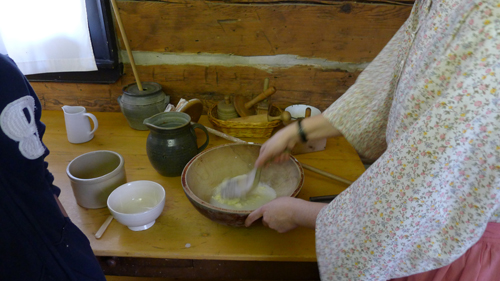
She washed the butter with cold water.
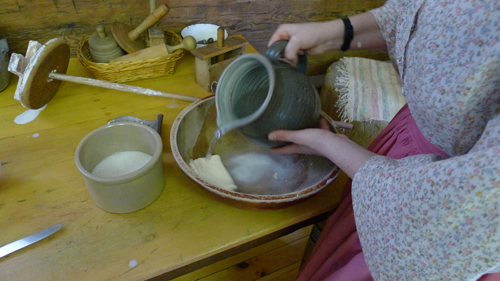
Then she pressed out all of the water.
We made a pumpkin loaf…
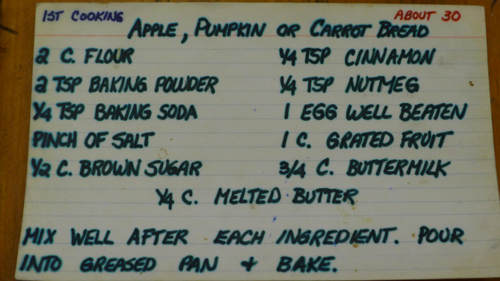
and cornmeal muffins.
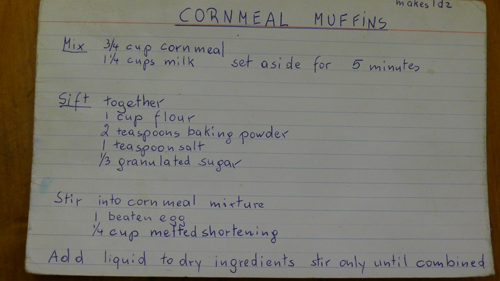
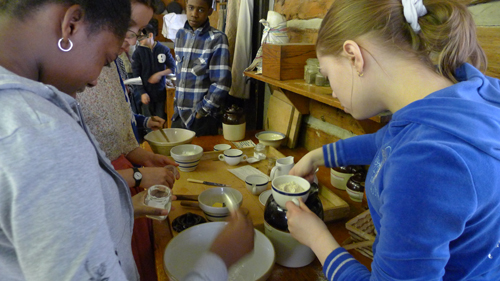
We measured ingredients into the bowl.
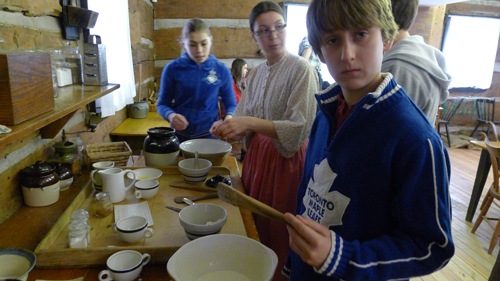
We used a tool called a spurtle to stir the batter.
Instead of cooking on a hearth, we baked in the oven of a wood burning stove.
Things we learned:
It took a long time to make butter and it was hard work. Once you start, you can’t stop until the cream turns to butter. Butter was one of the first products sold by pioneer families. The 1860’s house was heated by the wood stove, not by a fireplace. Cooking was easier with a wood stove.
March 24, 2011 Visit to Montgomery’s Inn
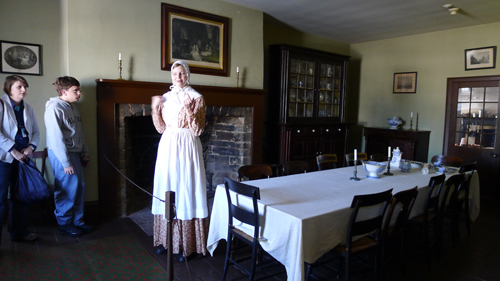
We visited Montgomery’s Inn at Islington and Dundas West.
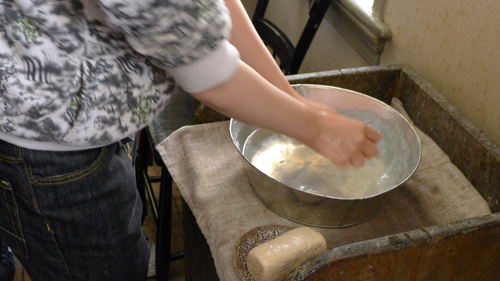
Before we started to cook, we had to wash our hands in a pail of warm water, using a home-made bar of soap made from animal fat and ash.
The sugar loaf at Montgomery’s Inn was much larger than the one at Fort York. The cook used a tool called sugar nippers to snap off pieces of sugar from the cone.
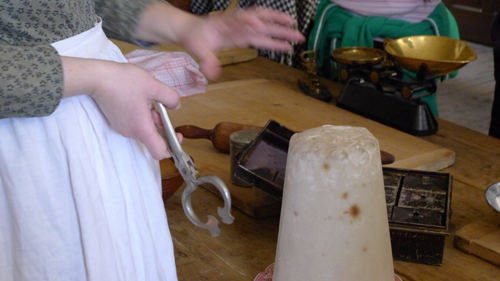
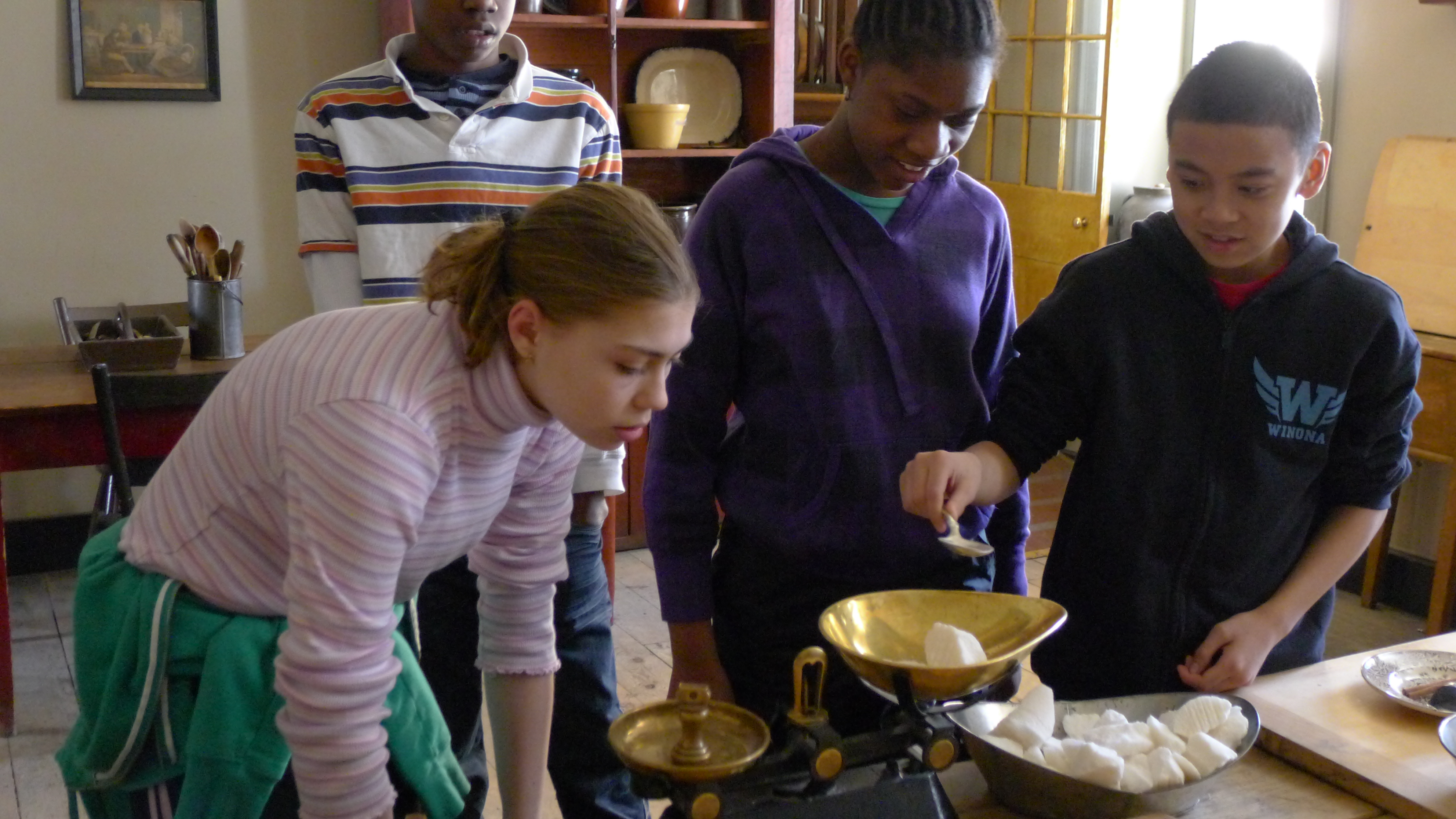
To measure sugar, we used a scale and weights.
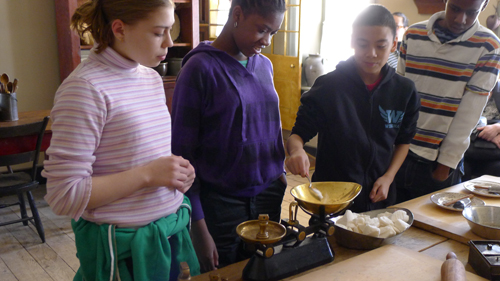
Spices were stored in individual metal boxes and kept in a larger metal box that locked.
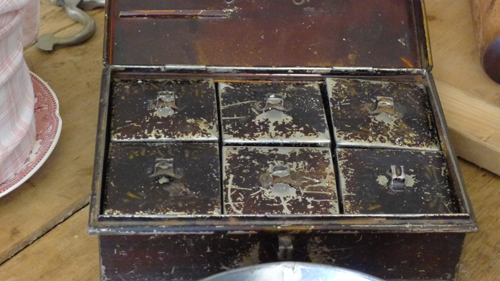
When the cookie dough was ready to roll out we used a flour dredger to sprinkle flour onto the pastry board and rolling pin.
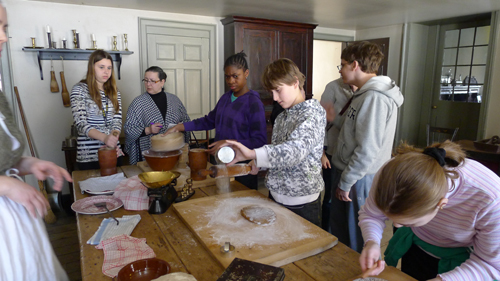
The cookies were put onto a hot griddle to cook.
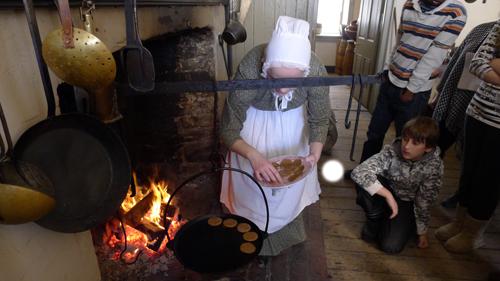
The griddle handle was suspended over the fire by an S-hook that was attached to a movable crane.
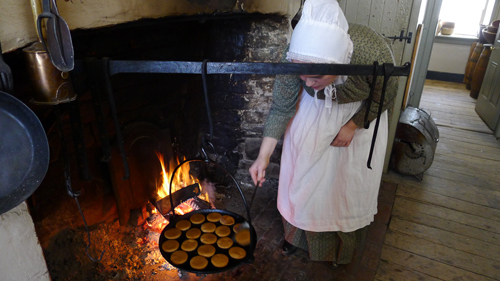
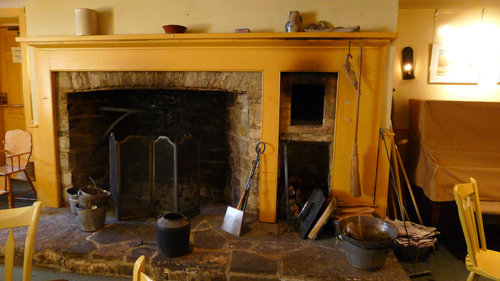
We baked the cookies in the down hearth over an open fire in a large brick fireplace.
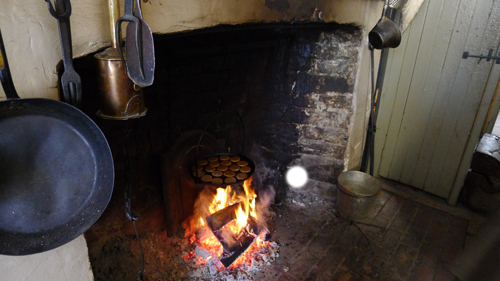
Here are some things we learned. Cookies bake faster over a fire than in an oven. Â Breads were cooked in heavy cast iron pots with lids called dutch ovens. Â The dutch oven was put on a bed of coals with more coals put on the lid to provide heat from above and below. Â Spices and sugar were very expensive in the 1800’s because they were imported. Â They were kept in locked containers because of their value. At Fort York we measured dry ingredients in a tea cup. Â At Montgomery’s Inn we used a scale and bronze weights to measure sugar.
March 9, 2011 Visit to Fort York.
At Fork York we cooked in the officers’ kitchen with Bridget.
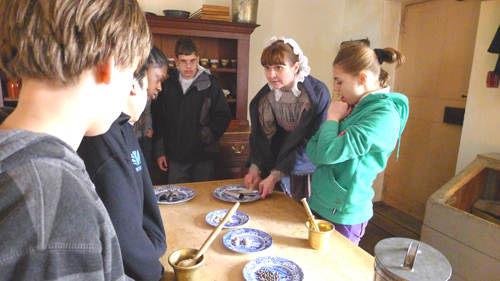
We made “Hard Gingerbread†which is really ginger snap cookies. We cooked exactly like people did in the mid 1800’s.
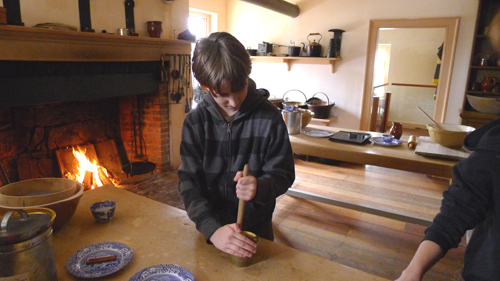
First we had to grind the spices, cinnamon, ginger, allspice and nutmeg in a mortar and pestle or graters.
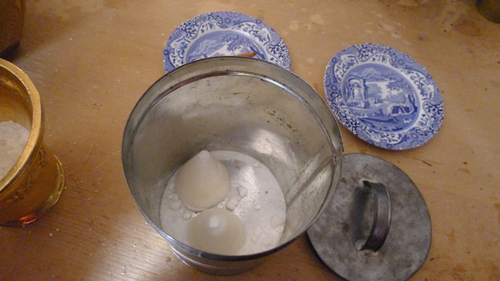
We had to smash up a cone of sugar, then sieve it.
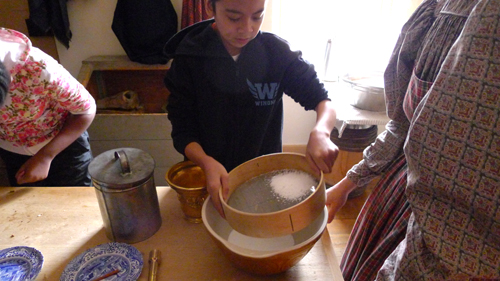
Bigger pieces went back into the mortar for more pounding.
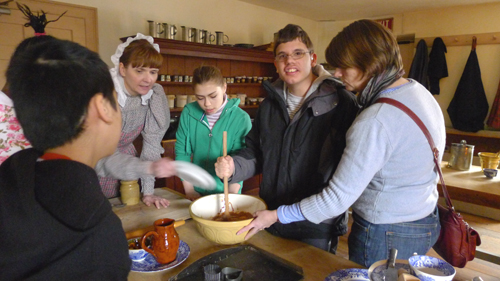
We creamed butter in a large bowl, adding sugar, molasses, baking soda, spices and finally the flour.
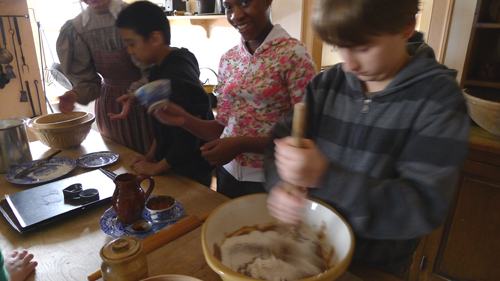
Then we rolled out the dough and used cookie cutters to shape the cookies.
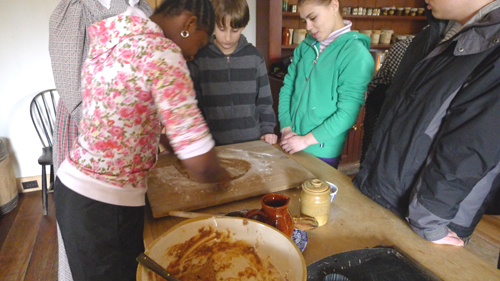
More rolling and rolling. Everybody rolled cookies!
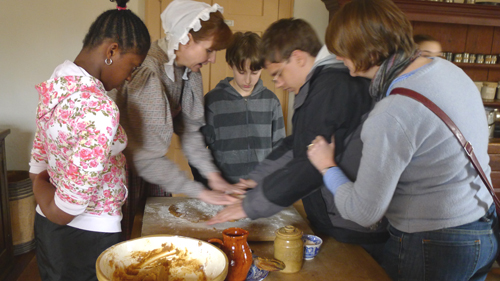
The cookie cutter was useful!
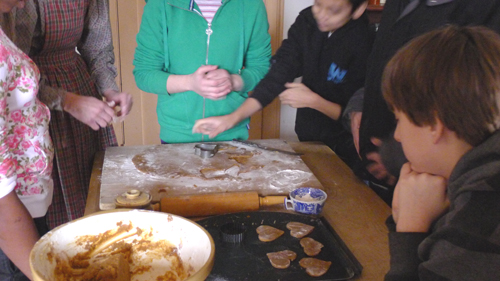
There were lots of cookies.
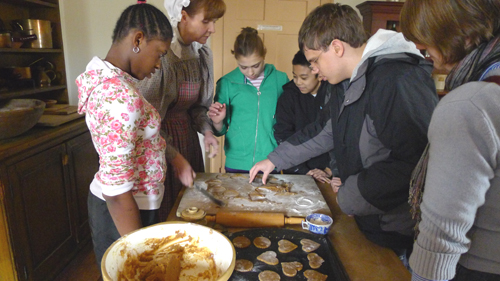
They were put on baking sheets and cooked in the oven.
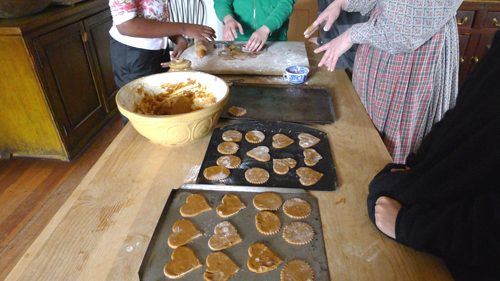
The best part? We got two bags full of cookies. They were delicious!
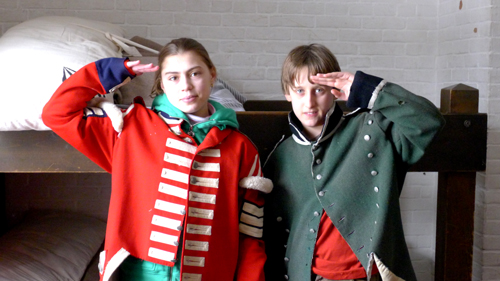
The things we learned about early Ontario cooking.
Sugar did not come granulated in bags. It was hard, in cone-shapes, and had to be pounded and sieved into a powder. We used a tea cup to measure dry ingredients (like flour and sugar). There were no measuring cups like we use today and no electric mixers! We had to stir everything together with a big wooden spoon. People cooked in the hearth over the coals of a fire and baked in a brick oven built into the wall beside the fireplace.
Announcing Our Participation in the 2011 TDSB Heritage Fair on May 4.
Mrs. Grigsby’s class will be participating in the TDSB Heritage Fair at Fort York on May 4, 2011.
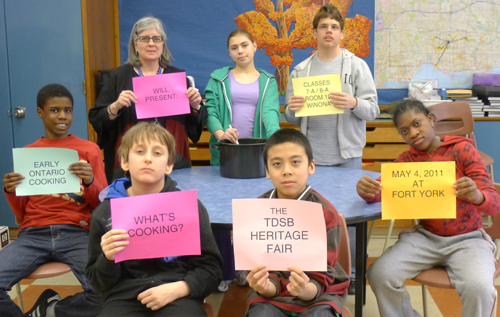
Our project this year is to investigate Ontario cooking in the mid 1800’s. Our main method of learning about early Ontario food, beverages and cooking techniques will be through hands-on experiential activities at four Toronto historic sites that have a cooking component as part of their tours.
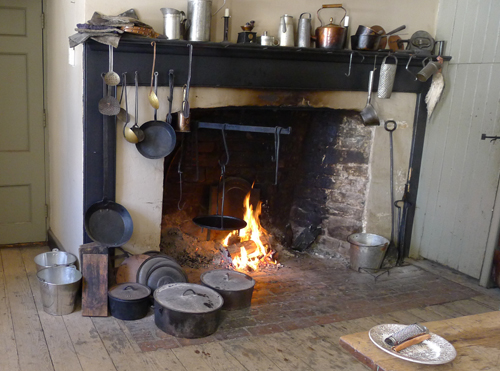
This March we will visit Fort York and Montgomery’s Inn, followed, in April, by trips to Black Creek Pioneer Village and Colborne Lodge. After each visit we will post comments and photographs about what we learned and experienced. Be sure to check out our blog to find out what early Canadians ate and drank, and how they prepared their food.
You are currently browsing the archives for the Uncategorized category.